

Introduction: A Growing Concern for Pedestrians in Colorado Pedestrian fatalities in Colorado have seen a concerning rise in recent years, with 127 pedestrians killed in 2025 alone—almost double the number from a decade ago. The majority of these fatalities occur during the fall and winter months when daylight saving time shifts darker mornings into peak walking hours. As the state grapples with this deadly trend, the urgency for better pedestrian safety has never been higher. In this post, we’ll explore the current trends, risks, and vital safety strategies every pedestrian should adopt in Colorado and beyond.
The Rising Numbers: Pedestrian Fatalities in Colorado
According to recent reports from the Colorado Department of Transportation (CDOT), pedestrian fatalities in the state have been increasing annually, reaching their highest numbers in over a decade. Between 2020 and 2025, Colorado saw an uptick in pedestrian deaths, with the statistics showing that pedestrians are 1.5 times more likely to be killed in a crash at night compared to daylight hours.
The primary cause of this rise is attributed to multiple factors, including a greater number of pedestrians on the road, inadequate crosswalks, poor street lighting, and distracted driving. But one of the most significant contributors is the seasonal change due to Daylight Saving Time. The transition to darker mornings means more pedestrians are walking during the hours when visibility is at its lowest, increasing the chances of accidents.
Why This Matters: The Role of Seasonal Changes
The seasonal shift in Colorado means that as we enter fall and winter, the mornings become darker, and pedestrians are exposed to low-light driving conditions. When combined with early morning fog and inclement weather, this sets the stage for dangerous walking conditions. For many pedestrians, especially those walking to work or school during these hours, visibility becomes a major concern. Research shows that vehicles are significantly less likely to see pedestrians at night, making reflective clothing and gear even more crucial.
In addition to the weather and light conditions, many of these pedestrian fatalities occur in areas with heavy traffic, such as city centers and near highways. Poorly lit roads, a lack of pedestrian-friendly infrastructure, and the hurried nature of morning commuters all contribute to this dangerous scenario.
Safety Tips for Pedestrians: How to Protect Yourself on the Road
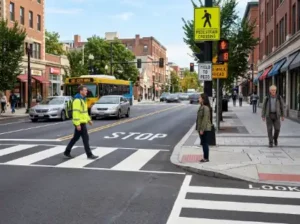
Although the statistics surrounding pedestrian fatalities are alarming, it’s important to note that there are practical steps pedestrians can take to reduce their risk. By following these safety guidelines, walkers can significantly improve their chances of staying safe on the road:
1. Wear High-Visibility Clothing
One of the most effective ways to increase your visibility to drivers is by wearing high-visibility gear, including bright-colored clothing and reflective vests or bands. Make sure your clothing includes reflective materials, especially during low-light conditions such as early mornings or evenings. The more visible you are, the easier it will be for drivers to spot you from a distance.
2. Cross at Designated Crosswalks
Always cross streets at marked crosswalks and obey traffic signals. Pedestrian accidents often occur when pedestrians jaywalk or cross streets outside of designated crosswalk areas. Avoid walking between parked cars, and always wait for the traffic signal before crossing the road. This is especially important when walking during dawn or dusk when drivers may not expect pedestrians to cross.
3. Be Alert and Avoid Distractions
Pedestrians should always remain alert while walking, especially in areas with heavy traffic. Avoid using headphones, and keep your attention focused on the road and surrounding environment. Distracted walking, such as texting while crossing the street, can make you less aware of your surroundings and increase your chances of being involved in an accident.
4. Use Well-Lit Routes
When walking in the early morning or evening hours, try to stick to well-lit routes. If possible, choose streets with streetlights or illuminated sidewalks to make yourself more visible to approaching vehicles. Avoid walking on roads without sidewalks or walking near high-speed roads where vehicles may have difficulty seeing pedestrians.
What Colorado is Doing to Address Pedestrian Safety
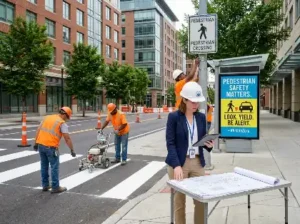
The Colorado Department of Transportation (CDOT) has recently launched a new “Shift into Safe” campaign to raise awareness about pedestrian safety during the fall and winter months. The campaign encourages drivers and pedestrians to share the responsibility of road safety, promoting slower driving speeds in pedestrian-heavy areas and encouraging walkers to stay visible and follow safety guidelines.
In addition, CDOT is working to improve pedestrian infrastructure across the state, including the addition of more crosswalks, better street lighting, and clearer signage in pedestrian-heavy areas. These efforts are aimed at making Colorado roads safer for both walkers and drivers.
How to Get Involved: Pedestrian Advocacy
As pedestrian fatalities continue to rise, it’s important for communities to come together and advocate for safer walking conditions. Joining local pedestrian safety groups, advocating for more crosswalks, and pushing for better lighting and signage can help reduce the risks associated with walking. Colorado residents are encouraged to contact their local officials and become involved in making their neighborhoods safer for pedestrians.
Conclusion
As Colorado continues to grapple with the rising number of pedestrian fatalities, it’s clear that increased awareness and proactive safety measures are essential. Pedestrians must take steps to protect themselves, and drivers need to stay vigilant, especially during the fall and winter months when visibility is compromised. By adopting simple safety tips and advocating for safer infrastructure, we can work together to reduce the risks and protect everyone on the road.