
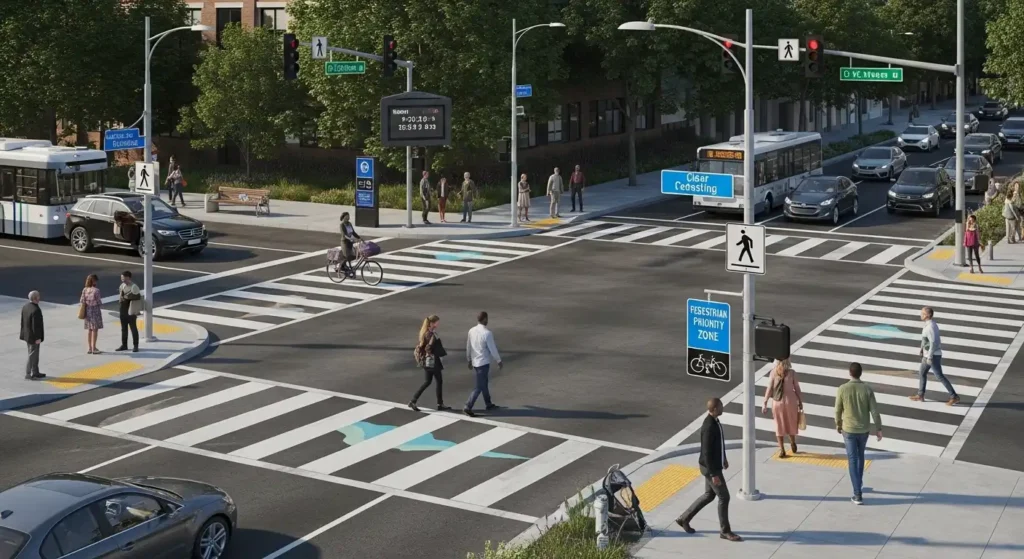
Across cities in the United States and around the world, pedestrian safety is becoming a central transportation priority. Communities are searching for ways to reduce crashes, prevent injuries, and make walking safer for everyone.
While many people are familiar with crosswalk markings, pedestrian buttons, and countdown signals, another traffic signal strategy is gaining momentum in 2026:
Leading Pedestrian Intervals (LPIs).
LPIs are a simple but powerful change in signal timing that gives pedestrians a head start before cars receive a green light. More cities are installing them because they have been shown to reduce conflicts between turning vehicles and people crossing the street.
As pedestrian fatalities remain a serious concern nationwide, LPIs represent one of the most practical street design tools available today.
What Are Leading Pedestrian Intervals (LPIs)?
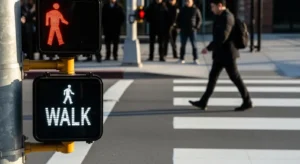 A Leading Pedestrian Interval is a traffic signal adjustment that gives pedestrians a few seconds of walk time before vehicles are allowed to move.
Typically, pedestrians receive a “WALK” signal about 3 to 7 seconds before cars get a green light. This allows people on foot to step into the crosswalk first, becoming visible and established in the intersection before drivers begin turning or accelerating.
LPIs are most commonly used at intersections where turning vehicles frequently create dangerous conflicts with pedestrians.
Why LPIs Matter for Pedestrian Safety in 2026
Pedestrian deaths in the United States remain alarmingly high. Thousands of people on foot are struck and killed each year, and many more suffer serious injuries.
Despite increased awareness campaigns, pedestrian safety has not improved as quickly as many advocates hoped. That is why infrastructure-based solutions like LPIs are receiving renewed attention.
LPIs are important because they address one of the most common crash scenarios: drivers turning through crosswalks while pedestrians are starting to cross.
LPIs may help by:
- Improving pedestrian visibility before vehicles move
- Reducing turning conflicts at intersections
- Encouraging drivers to yield to people already in the crosswalk
- Making intersections more predictable for walkers
These benefits align with broader street safety strategies, including Vision Zero goals focused on eliminating traffic deaths entirely.
How LPIs Reduce Pedestrian-Vehicle Crashes
Intersections are among the most dangerous places for pedestrians. Many crashes happen when a driver makes a right or left turn and fails to notice someone crossing.
LPIs reduce this risk by shifting the pedestrian movement slightly earlier, which creates several safety advantages.
1. Pedestrians Establish Presence
When pedestrians step into the crosswalk first, drivers are more likely to notice them. A person already crossing is harder to overlook than someone still standing at the curb.
2. Turning Drivers Have Less Opportunity for Conflict
Drivers often focus on gaps in traffic rather than on crosswalk activity. LPIs reduce the likelihood that a turning vehicle will enter the crosswalk at the same moment a pedestrian begins crossing.
3. Signal Timing Supports Safer Behavior
Rather than relying only on enforcement or driver attentiveness, LPIs create a built-in safety buffer through intersection design.
Cities Expanding LPIs in 2026
More cities are adopting LPIs as part of modern pedestrian safety upgrades. Recent reports show that municipalities like Des Moines have begun installing LPIs at multiple intersections, with plans to expand further.
These projects reflect a growing understanding that even small timing adjustments can produce meaningful safety improvements without requiring major roadway reconstruction.
LPIs are often considered a cost-effective solution because they can be implemented through signal programming changes rather than expensive infrastructure projects.
LPIs and Vision Zero Street Design
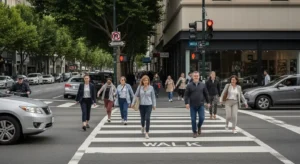 LPIs are one tool in a larger movement toward safer streets. Vision Zero initiatives emphasize that traffic deaths are preventable through better design, not just better behavior.
LPIs are frequently paired with other pedestrian safety strategies such as:
- High-visibility crosswalk markings
- Curb extensions that shorten crossing distance
- Lower speed limits in pedestrian-heavy areas
- Protected intersections and refuge islands
- Improved street lighting and daylighting
Together, these measures reflect a shift toward designing streets around human safety rather than vehicle speed alone.
What LPIs Mean for Walkers and Communities
For pedestrians, LPIs provide a clearer, safer crossing experience. They recognize that people on foot deserve dedicated space and time to move safely through intersections.
For communities, LPIs represent a commitment to prioritizing walking as a legitimate and protected mode of transportation.
Pedestrian advocates often stress that roadway deaths cannot be solved through awareness campaigns alone. Infrastructure improvements like LPIs help create systemic safety changes that reduce crashes regardless of individual behavior.
How Pedestrians Can Support LPI Adoption
If your city does not yet use Leading Pedestrian Intervals, there are ways to encourage adoption:
- Attend local transportation meetings where signal upgrades are discussed
- Request intersection safety reviews in high-risk crossing areas
- Support Vision Zero policies at the city level
- Partner with pedestrian advocacy groups promoting safer streets
Because LPIs are relatively low-cost, they may be one of the fastest safety upgrades cities can implement.
Conclusion
Leading Pedestrian Intervals may seem like a small adjustment, but they represent an important shift in how cities approach pedestrian safety. By giving walkers a head start at intersections, LPIs reduce turning conflicts, improve visibility, and create safer crossings.
As more communities adopt Vision Zero commitments and invest in people-centered infrastructure, LPIs in 2026 stand out as one of the most practical ways to make walking safer — one intersection at a time.
For pedestrians, advocates, and planners alike, LPIs offer a reminder that thoughtful design can save lives.