
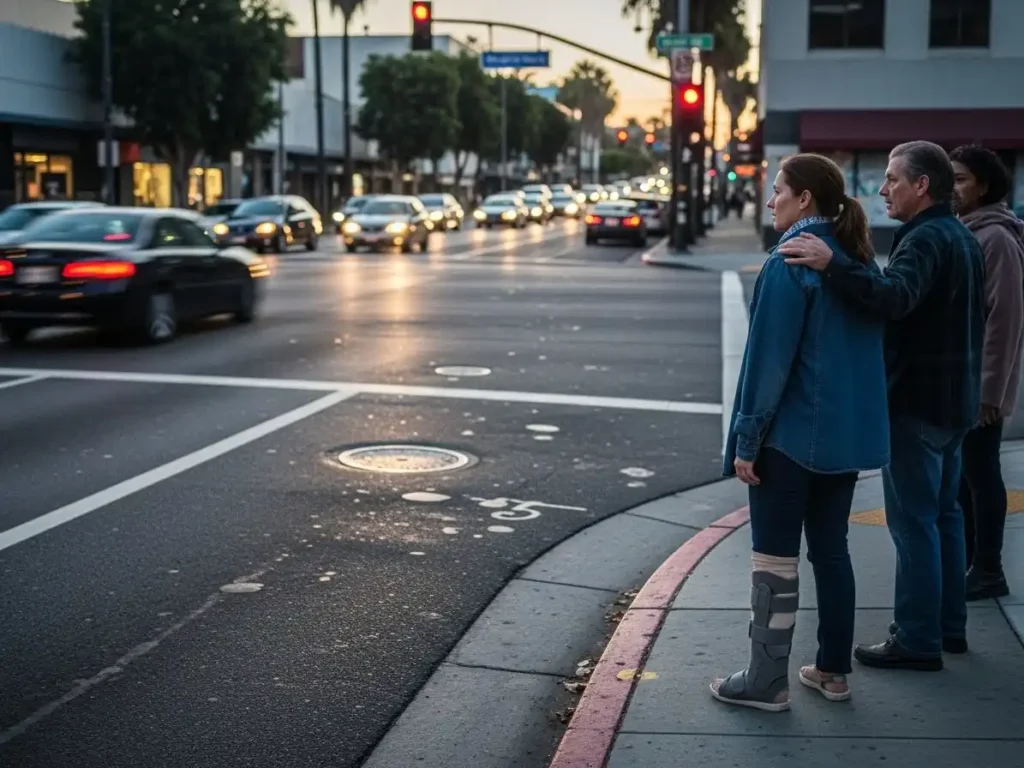
Across the United States, pedestrian fatalities have surged in recent years, causing concern among safety advocates, urban planners, and lawmakers alike. Despite increased focus on road safety, the numbers continue to rise, with 2025 seeing the highest traffic death toll in over a decade. In many major cities, the increasing pedestrian fatalities point to significant gaps in urban infrastructure, traffic enforcement, and public awareness.In this post, we will explore why pedestrian deaths are on the rise in U.S. cities, identify the critical factors contributing to this issue, and discuss how cities can address these gaps moving forward in 2026 and beyond.
The Rising Problem of Pedestrian Fatalities
 According to recent data, pedestrian deaths have reached alarming levels. In 2025, pedestrian fatalities increased by 15% compared to the previous year in some cities, and the trend is becoming more widespread. From New York to Los Angeles, the number of pedestrians killed in traffic accidents is climbing despite national and local safety campaigns aimed at reducing traffic-related injuries and deaths.
In fact, the National Highway Traffic Safety Administration (NHTSA) reports that pedestrian deaths in urban environments make up nearly 50% of all traffic fatalities, signaling a profound safety issue. A combination of faster vehicles, distracted driving, and inadequate pedestrian infrastructure are key contributors to this crisis.
Key Contributing Factors to Rising Pedestrian Deaths
Several factors contribute to the growing number of pedestrian fatalities across the country. These factors, combined with insufficient responses from local governments, exacerbate the problem. Below are the most significant contributors to this alarming trend:
1. Increased Vehicle Speeds
As urban centers expand and roads become more congested, traffic speeds have increased significantly, especially on roads not designed with pedestrians in mind. Higher vehicle speeds are directly correlated with the severity of accidents. According to studies, pedestrians hit by vehicles traveling at 40 mph are 80% more likely to die from their injuries than those hit by vehicles going 20 mph.
2. Inadequate Pedestrian Infrastructure
Many U.S. cities continue to prioritize vehicle flow over pedestrian safety. Essential infrastructure such as pedestrian-friendly crosswalks, signalized intersections, and safe pedestrian zones is often missing, especially in densely populated areas. This lack of infrastructure forces pedestrians to navigate busy streets without proper protection, increasing their risk of injury.
3. Distracted Driving
The rise of smartphones and other digital distractions has contributed significantly to the surge in pedestrian fatalities. Drivers who are texting or engaging with their phones while behind the wheel are less aware of pedestrians, resulting in avoidable accidents. Distracted driving remains a significant concern in traffic safety, with pedestrians being one of the most vulnerable groups.
4. Urban Sprawl and Design Flaws
Urban sprawl and poorly designed roads are another significant factor. Many cities were not designed to accommodate the heavy pedestrian traffic we see today, with wide, high-speed roads that create unsafe conditions for pedestrians. Long stretches without safe crossing points, poorly lit streets, and lack of public transport alternatives further exacerbate pedestrian safety risks.
How U.S. Cities Are Responding to the Crisis
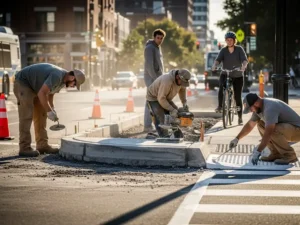 In response to the rising pedestrian deaths, cities are beginning to implement strategies aimed at improving pedestrian safety. However, while efforts like Vision Zero (a program aimed at eliminating all traffic-related fatalities) have been introduced in some areas, there is still much to be done to effectively address the issue.
1. Vision Zero Initiatives
Vision Zero is a road safety initiative adopted by many U.S. cities that focuses on preventing traffic deaths and injuries. The plan involves redesigning streets, lowering speed limits, improving crosswalks, and increasing law enforcement to ensure that both drivers and pedestrians follow safety rules. However, while Vision Zero has made a difference in some areas, many cities have yet to implement the necessary changes to truly curb pedestrian fatalities.
2. Improving Infrastructure
To make streets safer for pedestrians, cities need to rethink their infrastructure. This includes creating pedestrian-only zones, improving lighting in high-traffic areas, adding refuge islands for pedestrians to stop at when crossing wide streets, and implementing better traffic signalization. Improving the design of urban spaces to accommodate pedestrians, not just cars, is a vital step in reducing accidents.
3. Stricter Traffic Enforcement
Enforcement of traffic laws needs to be more stringent. This includes cracking down on speeding, distracted driving, and other reckless driving behaviors that put pedestrians at risk. Automated speed cameras, red-light cameras, and better law enforcement presence can help deter dangerous behaviors and encourage safer driving habits.
The Role of Pedestrian Advocacy Groups
Pedestrian advocacy groups play a critical role in pushing for policy changes, raising awareness, and ensuring pedestrian safety is prioritized. Organizations such as the National Complete Streets Coalition and the Pedestrian and Bicycle Information Center have been instrumental in calling for better safety measures and policies to protect pedestrians.
These groups work tirelessly to lobby for safer streets, engage with lawmakers to pass pedestrian-friendly legislation, and educate the public on pedestrian rights and safety. Their efforts are crucial in making sure that the problem of pedestrian fatalities is addressed at a systemic level.
What Can Be Done to Prevent Pedestrian Deaths?
While the problem is complex, there are several immediate steps that can be taken to prevent pedestrian deaths in 2026 and beyond. These include:
- Redesigning streets to be safer for pedestrians, with more crosswalks, slower speed zones, and protected intersections.
- Lowering speed limits in high-pedestrian traffic areas to reduce the severity of accidents.
- Increasing public education on pedestrian safety, both for walkers and drivers.
- Expanding public transit options to reduce the need for pedestrians to walk on high-speed roads.
Ultimately, a multi-faceted approach involving better infrastructure, policy changes, law enforcement, and public education is necessary to tackle this growing crisis and protect pedestrians in the years to come.